Understanding TSS & Recovery Metrics
Understanding TSS: Not All Stress is Created Equal
Training Stress Score (TSS) has become the gold standard for quantifying training load in cycling. It essentially answers the question: "How hard and how long did I work?" relative to your threshold power (FTP).
The Formula
$$ TSS = (sec x NP x IF) / (FTP x 3600) x 100 $$
While the math is solid, the interpretation is often flawed.
The Flaw: Not All Points Are Equal
A 3-hour ride at Zone 2 might generate 150 TSS. A 1-hour race simulation might also generate 100 TSS.
Are they the same? Absolutely not.
- The long ride depletes glycogen reserves and causes structural musculoskeletal fatigue.
- The intense hour taxes the central nervous system and creates high acidity in the muscles.
Recovery Kinetics
Recovery from these two efforts looks different. This is why following TSS blindly can lead to burnout. You might chase a weekly TSS goal by doing "junk miles," accumulating a number without stimulating the specific physiological system you need to improve.
Listen to Your Body
Metrics like TSS, CTL (Chronic Training Load), and TSB (Training Stress Balance) are models, not reality. They map the territory, but they are not the terrain.
- Sleep is your best recovery tool.
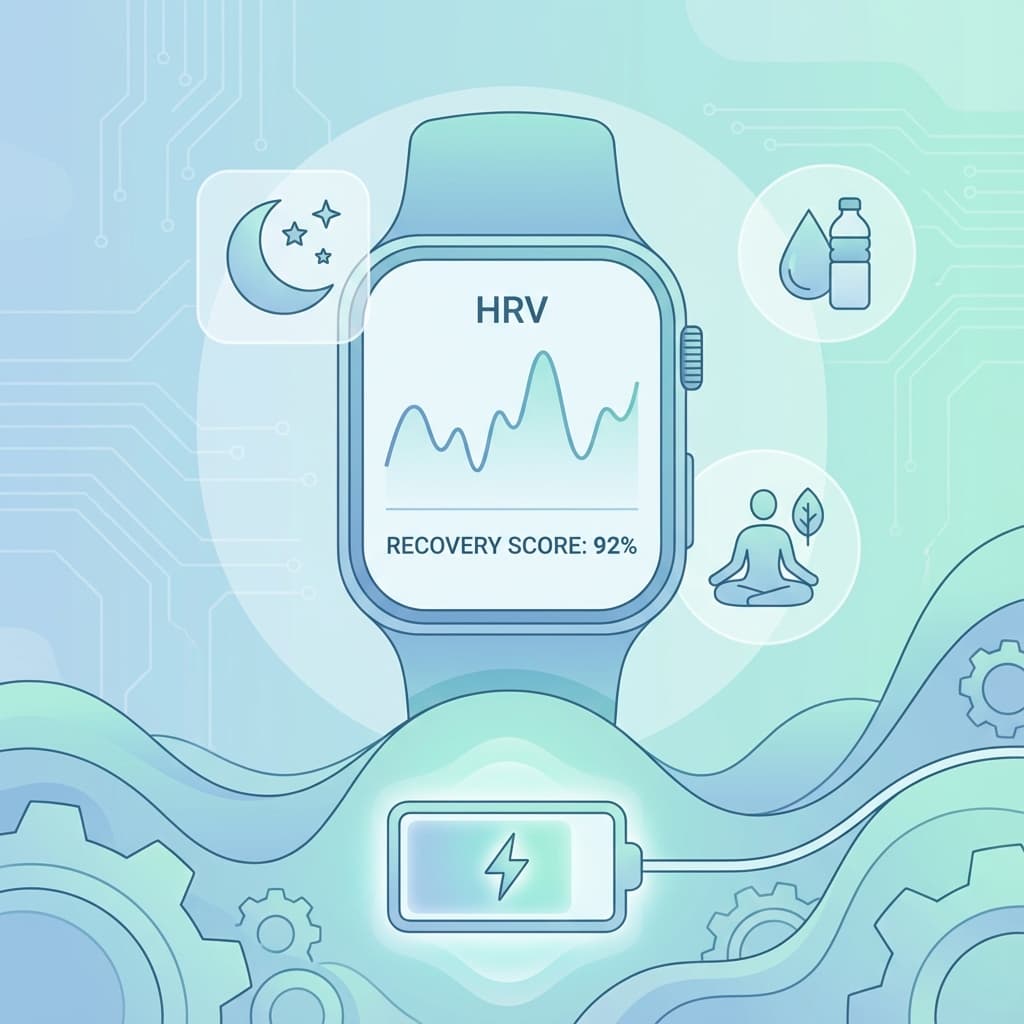
- HRV gives you a morning snapshot of your readiness.
Use TSS as a guide, but let your body be the master. If you are "green" on the chart but feel "red" in real life, rest.